


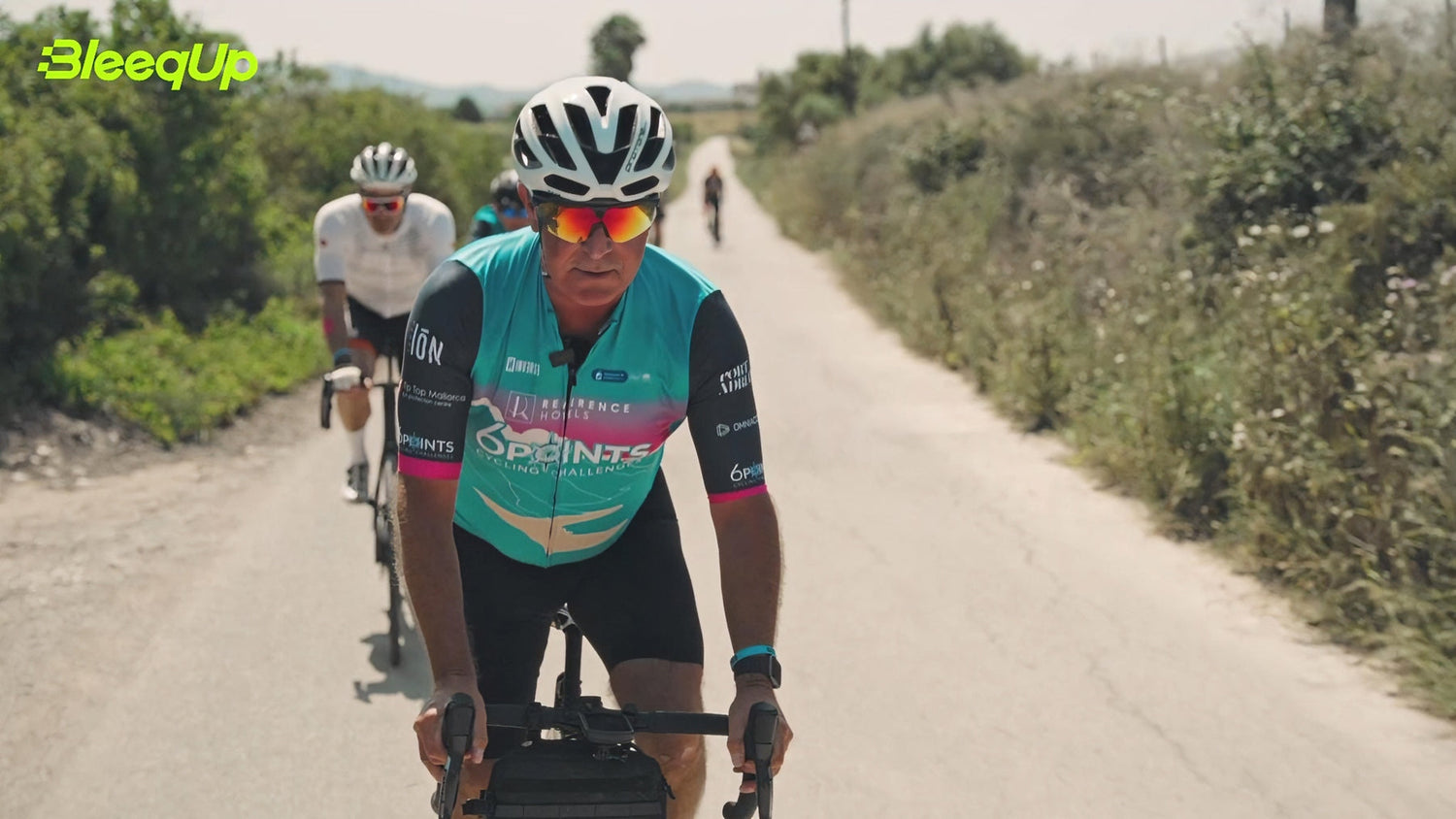
Open-ear audio glasses should help a ride feel more aware and less interrupted, not louder or more distracting. For cyclists, the point is simple: keep your ears open to traffic, group calls, and road changes while still hearing navigation prompts, ride-stat updates, music, or a quick phone call.
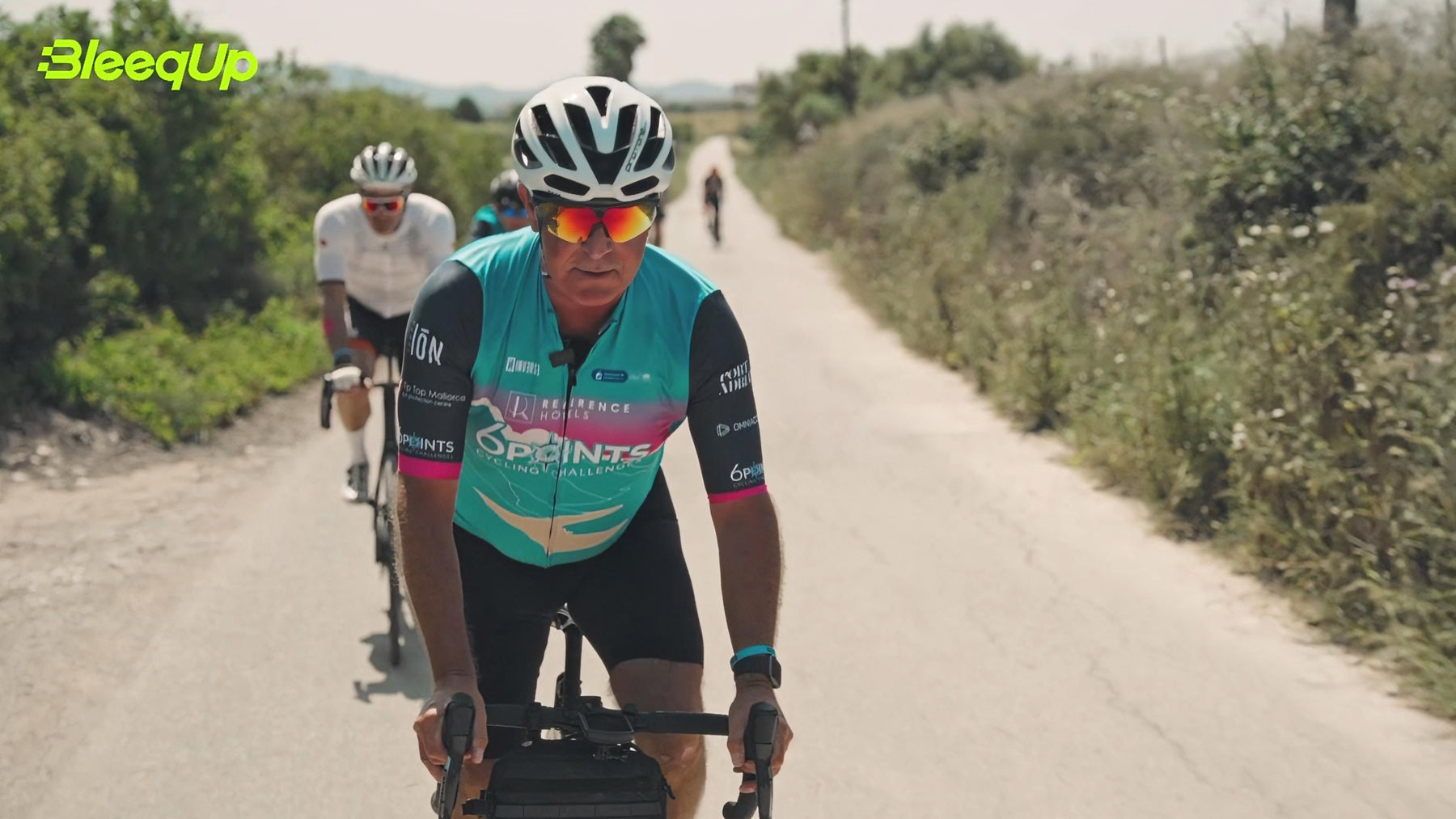
Why open-ear audio matters on a bike
Traditional earbuds can seal off important sound. Open-ear audio keeps the speaker near the ear instead of inside it, so riders can stay aware of cars, other cyclists, pedestrians, bells, and wind changes. That is why open-ear audio glasses are a useful category for commuters, road cyclists, gravel riders, and anyone who records a ride while navigating.
BleeqUp Ranger is built as a 4-in-1 AI sports camera glasses system: POV camera, open-ear audio, AI ride tools, and sports eyewear. If you are comparing camera-first eyewear, start with the BleeqUp Ranger review and the camera glasses for cycling buying guide.
What riders should listen for
| Ride moment | Useful audio | Why it matters |
|---|---|---|
| Urban commuting | Navigation prompts and traffic awareness | Stay oriented without blocking environmental sound. |
| Group rides | Calls, voice prompts, and quick instructions | Hear other riders while keeping both hands on the bar. |
| Training rides | Lap cues, route/map prompts, and post-ride review | Pair audio awareness with POV video and app workflow. |
| Long outdoor rides | Low-volume music or podcast segments | Reduce fatigue without losing awareness. |
Wind noise: the real cycling test
Open-ear audio has to survive speed, crosswind, helmet straps, and changing road surfaces. The practical test is not whether audio sounds perfect in a quiet room; it is whether prompts and calls remain understandable on a real ride. Ranger is designed for outdoor motion, and its wind-noise reduction helps keep voice and audio clearer when the pace increases.
How to set volume without losing awareness
- Start lower than you think, then increase volume only until prompts are clear.
- Keep navigation prompts and ride-stat updates more important than music.
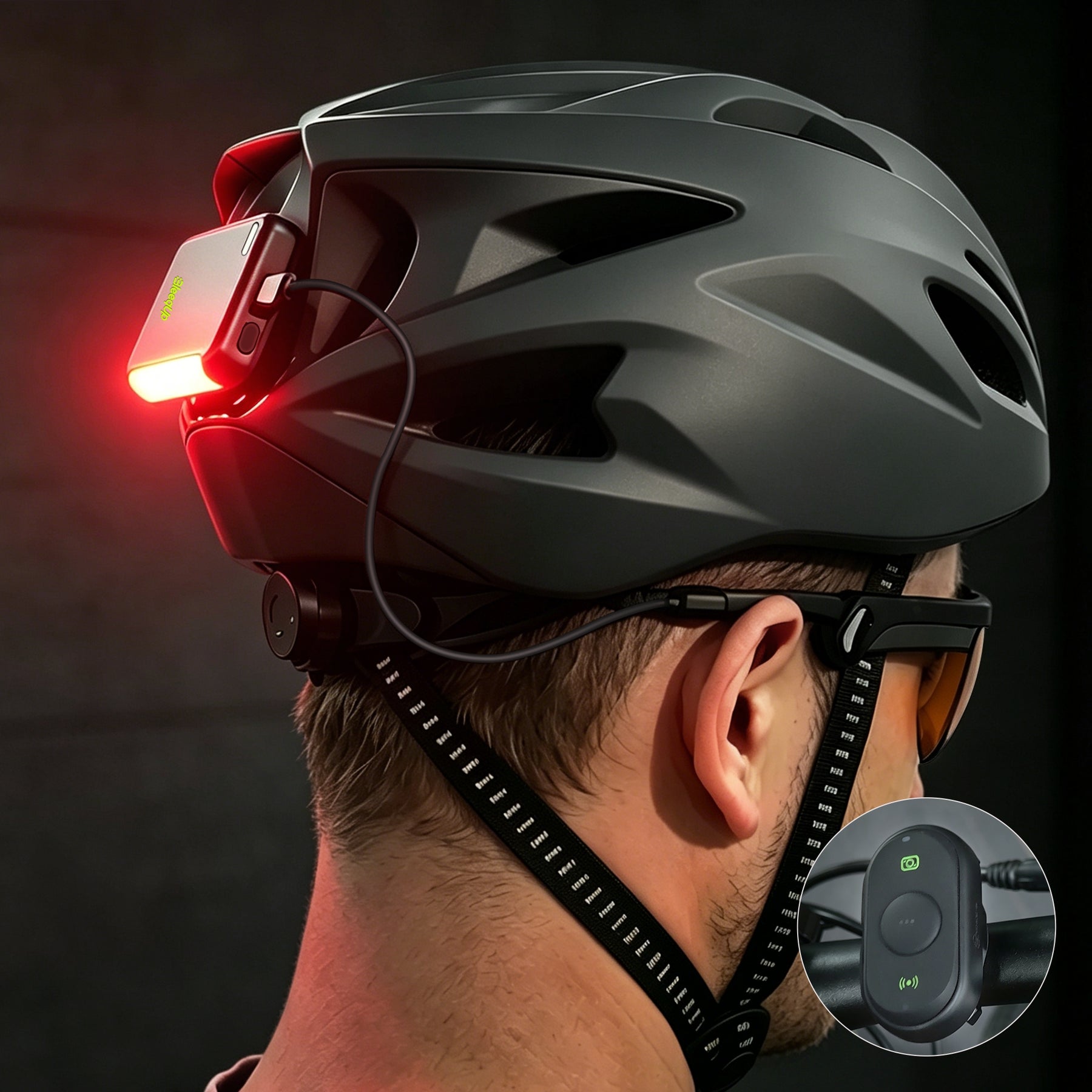
- Use one-tap controls or a handlebar remote where possible, so you are not reaching for a phone mid-ride.
- Review the clip later in the BleeqUp app workflow instead of trying to manage everything while moving.
Where lenses and fit come in
Audio is only one part of the ride. Fit, lens clarity, UV protection, and comfort decide whether glasses stay useful after the first hour. If optical clarity is a priority, compare standard lenses with the BleeqUp Ranger ZEISS lens guide. If you need prescription support, Ranger also supports an RX insert workflow through the prescription option.
Best use cases
- Commuters: hear route guidance and road context without sealing the ear.
- Road cyclists: capture POV video while hearing group cues and traffic changes.
- Gravel riders: keep prompts audible when surfaces and wind change quickly.
- Creators: record hands-free footage while keeping the ride natural.
FAQ
Are open-ear audio glasses safer than earbuds for cycling?
They can be more situationally aware because they do not seal the ear canal. Riders still need to keep volume reasonable and follow local road rules.
Can BleeqUp Ranger play voice prompts and record video at the same time?
Ranger is designed as a combined camera, audio, and app workflow, so riders can capture POV video while using audio prompts and connected app features.
Will wind noise make open-ear audio useless?
Wind always matters outdoors, but Ranger is built for active use and uses wind-noise reduction to improve voice and audio clarity in motion.
For riders who want fewer devices on the bike, open-ear audio glasses are not just a comfort feature. They are part of a cleaner workflow: hear what matters, record what you see, and edit the ride afterward with fewer interruptions.


